
Keynote Speakers
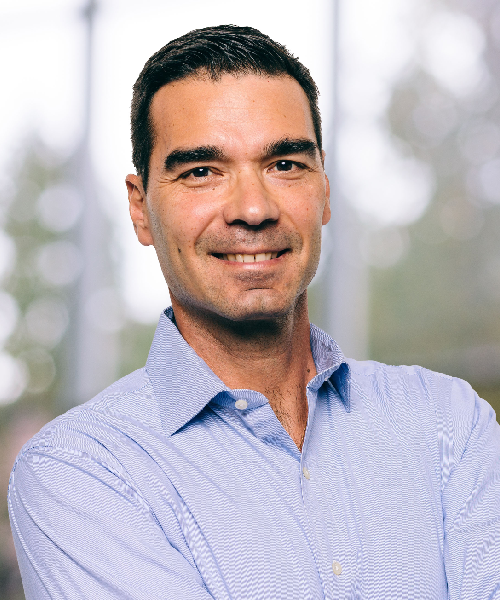
Petros Drineas
Professor and Head of Department of Computer Science, Purdue University
Title: (Randomized) Numerical Linear Algebra: A Core Engine for Data Science, Machine Learning, and AI
Abstract: Numerical Linear Algebra (NLA) has long been a cornerstone of scientific computing, powering advancements in physics, engineering, and beyond. This talk explores how Randomization in NLA (or RandNLA for short) has emerged as a transformative force in data science, machine learning, and artificial intelligence. By leveraging randomness to accelerate computations and reduce dimensionality, these methods address the challenges posed by modern datasets. We will highlight key algorithms, applications, and the impact of RandNLA in enabling scalable solutions for problems in data science, ML, and AI.
Short bio: Petros Drineas is a Professor and the Department Head of the Computer Science Department of Purdue University. He earned a PhD in Computer Science from Yale University in 2003 and a BS in Computer Engineering and Informatics from the University of Patras, Greece, in 1997. His work has fundamentally contributed to the development of Randomization in Numerical Linear Algebra (RandNLA). He has also worked on applications of RandNLA to Data Science, with a particular focus on genomic data.
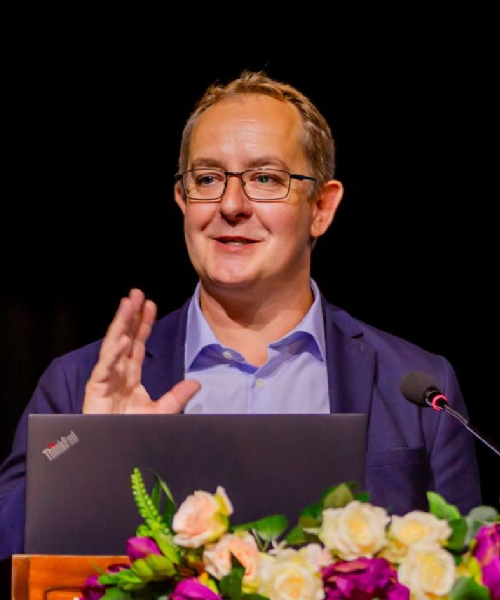
Nathan Clarke
Professor in Cyber Security and Digital Forensics
School of Engineering, Computing and Mathematics (Faculty of Science and Engineering), University of Plymouth
Title: Cyber Security & AI: The Good, the Bad and the Ugly
Abstract: Cyber security continues to be a significant challenge with reports stating cybercrime will cost the global community $10.5 trillion by 2025. Cybercrime clearly is not a new problem, but the scale is escalating to new levels and the impact cuts across all of society. Artificial intelligence (AI) is seen by many as a potential step change in capability for cyber security – yet the prospect of truly intelligent systems also opens up equal opportunities for the hacker community. This presentation will draw upon Prof Clarke’s 20+ years of developing AI and machine learning systems to aid in a variety of cyber security solutions – providing examples of where and how it can be used to provide more effective cyber security. The talk will also address the weaknesses of current approaches and the need for a new generation of explainable and trustworthy AI to ensure we actually understand how these systems operate to protect us. Finally, Prof Clarke will draw upon some examples of how the technology can be misused and the potential dangers that exist for us all now and in the future.
Short bio: Nathan Clarke is a Professor in Cyber Security and Digital Forensics at the University of Plymouth, UK. He is also an adjunct Professor at Edith Cowan University in Australia. His research interests reside in cyber security, specifically biometrics, digital forensics and artificial intelligence. Prof Clarke has published over 250 journal and conference papers. He co-created and co-chairs the International Symposium on Human Aspects of Information Security and Assurance (HAISA), currently in its nineteenth year. Prof Clarke has been involved in a number of successful EPSRC, Knowledge Transfer Projects and European funded projects (valued at £20 million) and has graduated 48 doctoral students. Prof Clarke is a chartered engineer, a fellow of the British Computing Society (BCS) and a senior member of the IEEE.
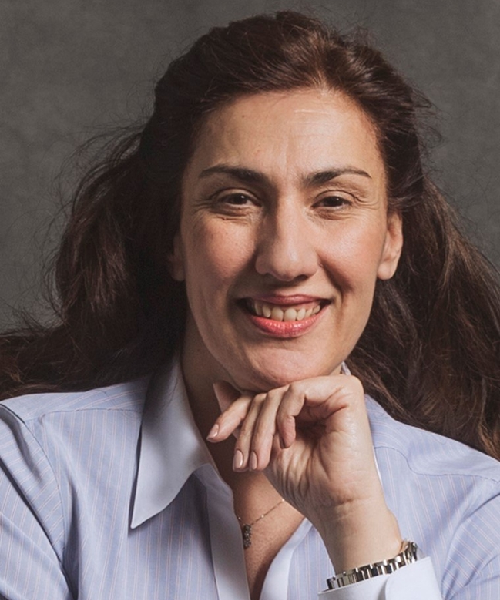
Peristera Paschou
Professor and Head, Department of Biological Sciences, Purdue University
Title: Data-Driven Insights into Human Genetic Diversity for Health and Disease
Abstract: Dr. Paschou’s research integrates cutting-edge data science methodologies and genomic analysis to uncover the impact of human population genetic diversity on health outcomes and disease risk. This talk will showcase how advanced computational tools, coupled with multi-omic and neuroimaging data integration are utilized to understand the basis of complex disorders paving the way for precision medicine. Attendees will explore the intersection of genetics, data analytics, and bioinformatics, gaining insights into the collaborative, multi-disciplinary approaches driving innovations in disease prevention, diagnosis, and treatment.
Short bio: Peristera (Perry) Paschou is a Professor and Head of the Department of Biological Sciences at Purdue University in the USA. Her research centers on the integration of advanced data analysis techniques to investigate the genetic structure of human populations and the genetic underpinnings of complex diseases, with a special focus on neurodevelopmental disorders. She holds a PhD from the University of Athens, with postgraduate training at the University of Oxford and postdoctoral studies at Yale University in the USA. Certified by the American Board of Medical Genetics in Clinical Molecular Genetics, she has also served as faculty in the Department of Molecular Biology and Genetics at Democritus University of Thrace, as a Visiting Researcher at UCSF, UCLA, and the National Institutes of Health, and as Associate Dean at Purdue University. Dr. Paschou leads international research initiatives leveraging large-scale data integration and computational approaches for the study of Tourette Syndrome and related disorders. In recognition of her contributions to data-driven genetics research she was named Showalter Faculty Scholar.
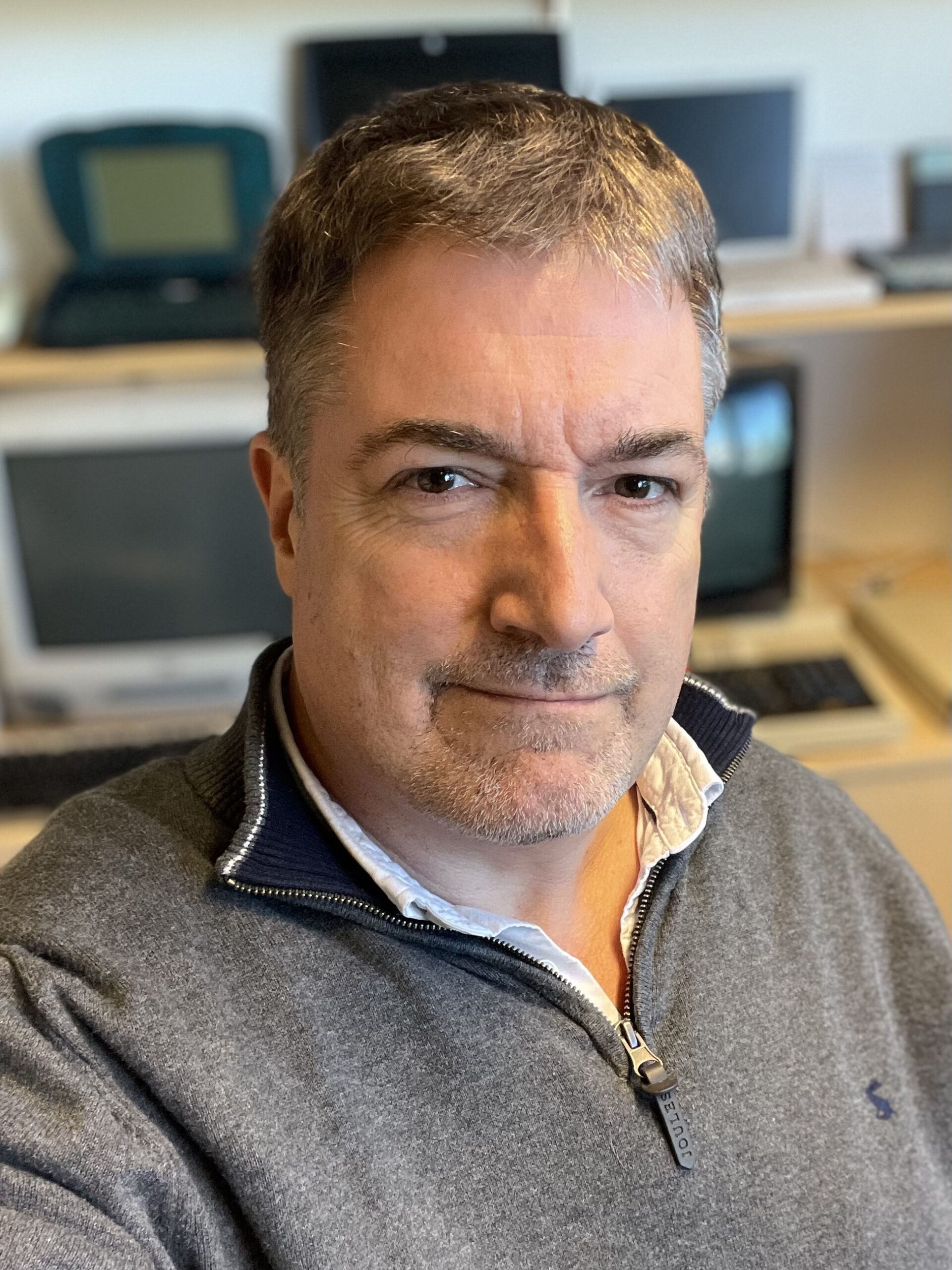
Steven Furnell
Professor of Cyber Security, School of Computer Science, University of Nottingham
https://www.nottingham.ac.uk/computerscience/people/steven.furnell
Title: Cyber Security for SMEs – Recognising needs and tracking experiences
Abstract: Addressing cyber security is often a difficult issue for Small and Medium-sized Enterprises (SMEs), with time and budgetary constraints and lack of skills and resources resulting in lack of attention to good practice. This presentation reports on the current findings from an ongoing project – CyCOS – that has been investigating the cyber security needs of SMEs and their related experiences when attempting to seek support. The results are reported from the perspective of SMEs themselves, as well as providers that they may turn to for assistance. Based upon the findings, the project is trialling a new community-based approach to support, aiming to enable SMEs and advisors to socialise cyber security issues and solutions in an accessible and collaborative context. This talk will discuss findings to date and outline the plans for the Communities of Support pilots.
Short bio: Prof. Steven Furnell is Professor of Cyber Security in the School of Computer Science at the University of Nottingham. His research interests include security management and culture, usability of security and privacy, and technologies for user authentication and intrusion detection. He has authored over 400 papers in refereed international journals and conference proceedings, as well as various books, book chapters, and industry reports. Steve is the UK representative to Technical Committee 11 (security and privacy) within the International Federation for Information Processing, and a board member of the Chartered Institute of Information Security, and a member of the Steering Group for the Cyber Security Body of Knowledge (CyBOK) and the Careers and Learning Working Group within the UK Cyber Security Council. Steve is the Principal Investigator on the CyCOS project, looking at enhancing cyber security support for small organisations.
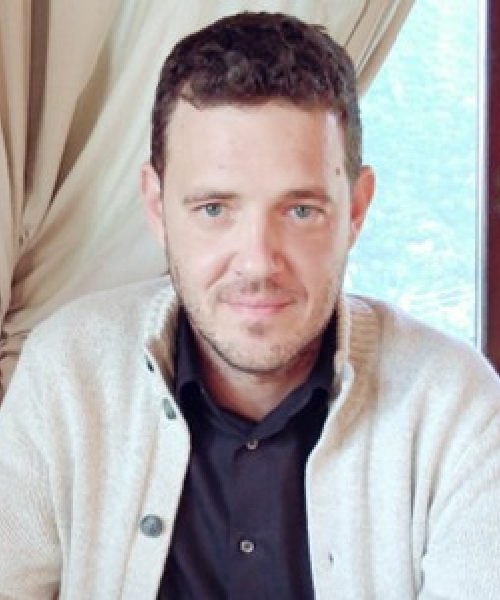
Miltos Alamaniotis
Associate Professor, Lutcher Brown Endowed Fellow
Department of Electrical and Computer Engineering, University of Texas at San Antonio
Title: Preventing the Nuclear September 11th: Dynamically Data Driven Artificial Intelligence Solutions and the balance between Security, Privacy and Ethics
Abstract: The terrorist attacks of 9/11 led to a redefinition of security architecture and its priorities to prevent such acts. One emerging scenario involves the potential use of nuclear materials for attacks in metropolitan areas, resulting in severe and widespread consequences. Typically, detecting and identifying terrorist activities involve sensors that measure radiation and analyze the data for significant patterns. Recent advancements in Artificial Intelligence across various fields have shown promise in addressing critical challenges in nuclear security. Specifically, the integration of dynamically data driven application framework with Matrix Profile and AI methods allow for real-time data analysis and nuclear threat detection in consecutive radiation data. AI facilitates high-definition, high-speed analysis of diverse data types directly within the sensors, improving the monitoring of nuclear materials’ use, storage, and transport. Moreover, these dynamically data-driven AI methods embedded into sensor systems eliminate the need for operators to possess specialized expertise in nuclear physics or engineering. This innovation enhances accessibility and operational efficiency, reducing human dependency while maintaining accuracy and reliability.
This talk will explore cutting-edge, dynamically data-driven AI solutions for nuclear threat detection. It will also delve into the delicate balance between advancing security measures and addressing the privacy and ethical implications of deploying AI-powered sensor technologies to prevent a nuclear 9/11 in urban centers.
Short bio: Dr. Miltos Alamaniotis is Associate professor and the Lutcher Brown Endowed Fellow in the Department of Electrical and Computer Engineering at the University of Texas at San Antonio (UTSA). Before joining UTSA, he worked as a researcher at Purdue University. He received his BS in Electrical and Computer Engineering from the University of Thessaly, 2005, and MS and PhD in Nuclear Engineering with an emphasis in Applied Artificial Intelligence from Purdue University in 2010 and 2012, respectively. His interdisciplinary research focuses on the development of Artificial Intelligence and machine learning approaches applied to intelligent energy systems, nuclear power systems, and nuclear security to detect hidden radioactive materials.
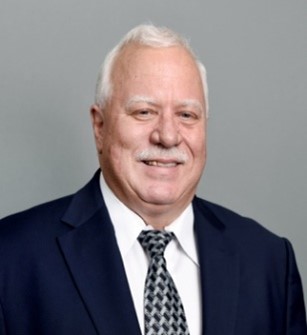
Andreas Spanias
Professor and SenSIP Center Director
Arizona State University
Title: International Research and Workforce Development in Classical and Quantum Machine Learning – A Fulbright Scholar Experience
Abstract: Machine Learning (ML) algorithms have been deployed in several areas including energy, environmental, media, biomedical, security and other applications. At Arizona State University the Sensor Signal and Information Processing (SenSIP) center and industry consortium has launched several research projects involving ML especially in the areas of solar energy monitoring, imaging and audio processing. In addition, SenSIP hosted five National Science Foundation (NSF) workforce development programs that focused on providing research experiences in ML to students and community college faculty. More recently the SenSIP center, started research and workforce development projects in quantum machine learning and quantum signal processing. Most of these efforts have been supported by NSF and industry. In 2024, these efforts expanded to international engagement through a Fulbright Research Scholar grant with activities in the Balkans and in the eastern Mediterranean region. The Fulbright program which was granted in 2024 and implemented in the spring of 2025 enabled us to train students and faculty in the Balkans on QML for energy and imaging applications. More specifically the program consisted of two QML research projects engaging graduate students in the Balkans and several Fulbright research seminars in Balkan and eastern Mediterranean universities. The presentation will cover the Fulbright and SenSIP activities and specific research results will be presented on classical and quantum machine learning for solar energy applications.
Short bio: Andreas Spanias is Professor in the School of Electrical, Computer, and Energy Engineering at Arizona State University (ASU). He is also the director of the Sensor Signal and Information Processing (SenSIP) center and the founder of the SenSIP industry consortium (also an NSF I/UCRC site). His research interests are in the areas of adaptive signal processing, speech processing, quantum machine learning and sensor systems. He and his students developed the award winning software J-DSP which was sponsored by NSF. Dr. Spanias is author of two textbooks: Audio Processing and Coding by Wiley and DSP; An Interactive Approach (2nd Ed.). He contributed to more than 350 papers, 11 monographs, and 27 US patents. He served as Associate Editor of the IEEE Transactions on Signal Processing and as General Co-chair of IEEE ICASSP-99. He also served as the IEEE Signal Processing Vice-President for Conferences. Andreas Spanias is co-recipient of the 2002 IEEE Donald G. Fink paper prize award and was elected Fellow of the IEEE in 2003. He served as Distinguished Lecturer for the IEEE Signal processing society. He is currently heading four NSF workforce development projects as a PI. He received the 2018 IEEE Phoenix Chapter award with citation: “For significant innovations and patents in signal processing for sensor systems.” He also received the 2018 IEEE Region 6 Outstanding Educator Award (across 12 states) with citation: “For outstanding research and education contributions in signal processing.” He is a Senior Member of the National Academy of Inventors (NAI). He was recently named US Fulbright Research Scholar with regional research and outreach activities in the Balkans.